If your boiler pressure keeps dropping, it can be unsettling, especially when your heating or hot water starts acting up. The good news is that pressure issues are quite common and usually easy to identify. In many cases, you can safely carry out a few simple checks yourself to pinpoint the problem before calling an engineer. Understanding what causes pressure drops and how to spot warning signs can help you keep your boiler running smoothly and avoid unexpected breakdowns.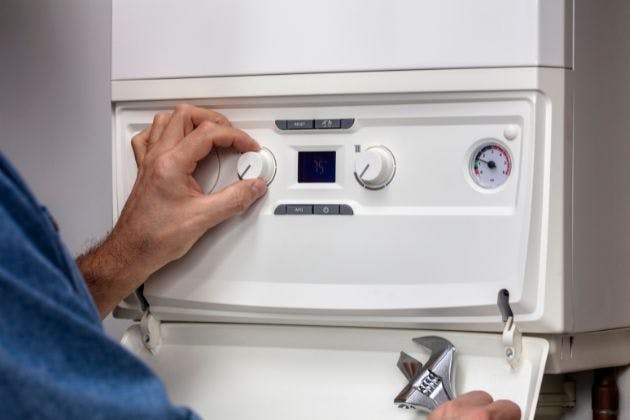
Normal boiler pressure readings explained
Most modern combi and system boilers work best with the pressure around 1 to 1.5 bar when the system is cold. You can see this on the pressure gauge, usually on the front of the boiler or just underneath.
When the heating is on and the water heats up, the pressure will usually rise to around 2 bar, sometimes a little higher. A gentle rise is normal because water expands as it heats.
If the pressure is constantly dropping below 1 bar, or you need to keep topping it up, that is usually a sign that something in the system is not quite right.
First, check if your boiler pressure keeps dropping
Before you do anything, check your boiler manual so you know the recommended pressure range and how your specific model should be repressurised. Always follow manufacturer instructions and never attempt work you are unsure about.
As a quick starting point, you can usually:
Check the pressure gauge with the system cold and again after the heating has been on
Look for obvious leaks around radiators, valves and visible pipework
Check the pressure relief pipe outside for signs of water discharge
Note any error codes or flashing lights on the boiler display
If you smell gas, see signs of scorching, or the boiler is making loud banging noises, switch it off and call a Gas Safe engineer immediately.
Step by step: safe checks and topping up pressure
1. Look for visible leaks indoors
Walk around your home and inspect radiators, valves and any accessible pipework. Pay close attention to valve connections, joints and pipes near the boiler, as even a slow drip can make the pressure drop over time.
Signs of a leak include rusty marks on pipes, flaking paintwork, green or white staining on copper fittings, or damp patches on floors, ceilings or skirting boards.
2. Check the pressure relief pipe outside
Your boiler has a safety valve that releases pressure if it gets too high. The discharge from this valve usually exits through a small copper pipe that pokes through an outside wall near the boiler.
If this pipe is dripping or shows signs of staining or limescale, the pressure relief valve (PRV) may be discharging water and causing the pressure to drop. This is not a DIY fix and needs a heating engineer.
3. Bleeding radiators and pressure drops
If your radiators have cold spots at the top, there may be air trapped in the system. Bleeding radiators can help them heat more evenly, but it will also release pressure from the system.
After bleeding, it is normal for the boiler pressure to drop slightly. Check the gauge once you have finished and only then consider topping up the pressure if it has fallen below the recommended level.
4. Topping up pressure using the filling loop
Most boilers have a filling loop that lets you add water to the system to increase pressure. This is usually a small braided hose with one or two valves underneath the boiler or nearby. Some boilers have an internal or keyed filling system.
Always check your manual for the exact method. In general, you slowly open the filling valves and watch the pressure gauge rise to around 1 to 1.5 bar with the system cold, then close the valves fully. Never exceed the recommended pressure, and never leave the valves open.
If you have topped the pressure up correctly and it drops again within hours or days, stop repressurising and call an engineer, as there is likely an underlying fault.
Common causes of repeated pressure loss
Small system leaks and loose joints
Slow leaks from radiator valves, pipe joints or towel rails are one of the most common causes of pressure loss. Because they can be very small, you might not see obvious dripping, only slight staining or a musty smell.
A heating engineer can pressure test the system and tighten or replace faulty components. It is best not to start wrenching fittings yourself, as overtightening can cause further leaks.
Faulty pressure relief valve (PRV)
If the system has been over‑pressurised in the past, the PRV can become damaged and start passing water even at normal pressures. This water then exits outside through the discharge pipe.
Typical signs include regular drops in pressure with no visible leaks indoors, and a wet or stained area beneath the outside pipe. PRV replacement is a job for a qualified engineer.
Expansion vessel problems
The expansion vessel helps the system cope with water expanding as it heats up. If the vessel loses its air charge or fails, the pressure can swing from very low to very high as the heating switches on and off.
You might see the gauge shoot up towards the red when hot, then drop too low again when the system cools. Recharging or replacing the expansion vessel requires specialist tools and should only be done by an engineer.
Air in the system and heat exchanger leaks
Airlocks and pockets of air reduce efficiency and can cause pressure to fluctuate, especially after recent work on the system. Bleeding radiators helps, but if air keeps returning, it may point to another issue.
In some cases, particularly on older boilers, the main heat exchanger can leak internally. Symptoms include constant pressure loss, water inside the casing, staining, or unexplained moisture around the boiler. Do not remove boiler covers yourself; a Gas Safe engineer needs to investigate.
Information to gather before calling an engineer
You can save time and help your engineer diagnose the problem more quickly by collecting a few useful details in advance.
Record pressure readings with the system cold and hot over 24 to 48 hours
Take photos of any damp patches, staining or leaking valves you find
Note the boiler make, model and roughly how old it is
Write down any error codes or warning lights from the display
Sharing this information when you book the visit can make it easier to bring the right parts and fix the issue in a single appointment.
FAQs about boiler pressure dropping
How often is too often to top up boiler pressure?
If you only need to top up once or twice a year, that is usually acceptable for many systems. If you are adding water every few weeks, or worse, every few days, there is almost certainly a fault that needs attention.
Frequent top ups also introduce fresh water, which can lead to corrosion and sludge build up inside your system over time.
Can I just keep repressurising the boiler?
Regularly repressurising without fixing the cause is not recommended. You are masking the symptom rather than dealing with the issue, and you risk further damage to components such as the PRV, expansion vessel or heat exchanger.
If the pressure keeps falling after two or three top ups in a short period, stop and arrange a repair visit.
Will low pressure damage my boiler?
Most modern boilers have safety features that shut the unit down if the pressure drops too low, which helps protect internal parts. Running for short periods at slightly low pressure is unlikely to cause instant damage.
However, long term low pressure can increase wear and tear and may indicate leaks that are damaging your home, so it should always be investigated rather than ignored.
When to call Oneheat limited
If your boiler pressure drops again after you have safely topped it up and checked for obvious leaks, it is time to bring in a professional. Repeated pressure loss is almost always a sign of a fault that needs proper diagnosis.
For friendly, expert boiler repairs and servicing, contact Oneheat Limited on 07956098150. If you are in the Rotherham or Sheffield areas, you can also book through our local boiler servicing and repairs page, or visit our Rotherham and Barnsley location pages to arrange a prompt engineer visit.
A qualified heating engineer will quickly identify the cause of the pressure loss, explain your options and get your heating and hot water running reliably again.
EndFragment