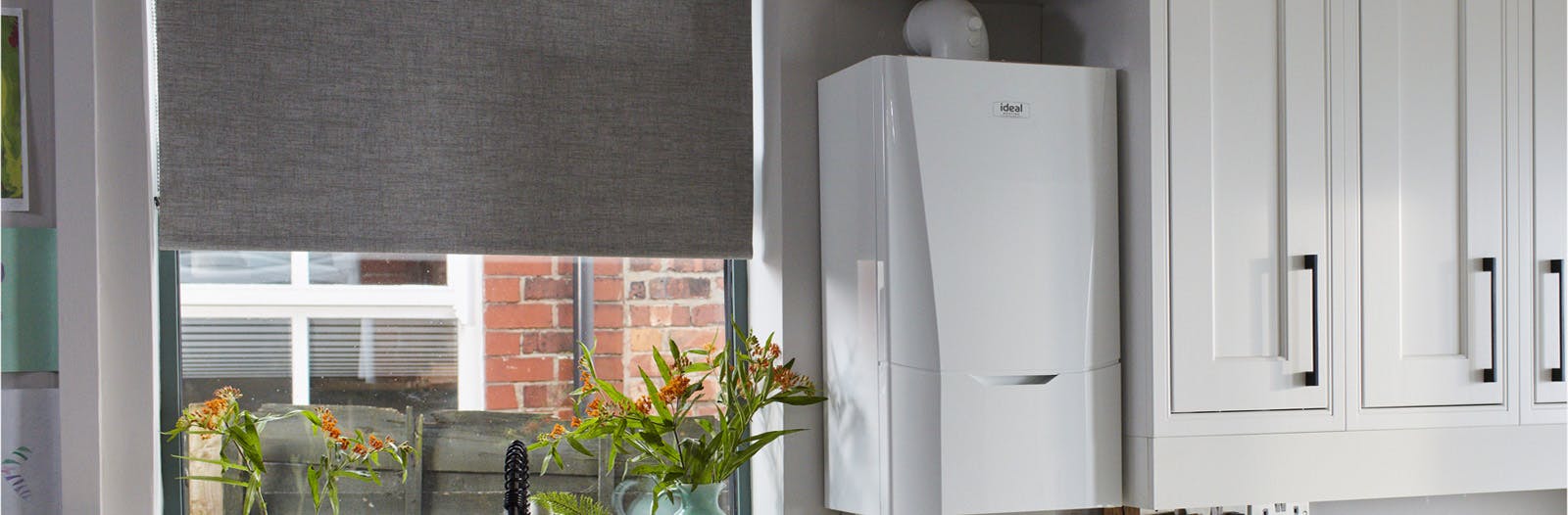
If your boiler has started making loud banging, knocking, or kettle-like noises, it can be worrying and unsettling. While these sounds are usually not an immediate emergency, they often indicate that something is wrong inside your heating system. Ignoring these noises could lead to bigger problems, such as reduced boiler efficiency, higher energy bills, or even a complete breakdown. It’s important to understand the common causes behind these noises and take appropriate action to keep your boiler running safely and smoothly.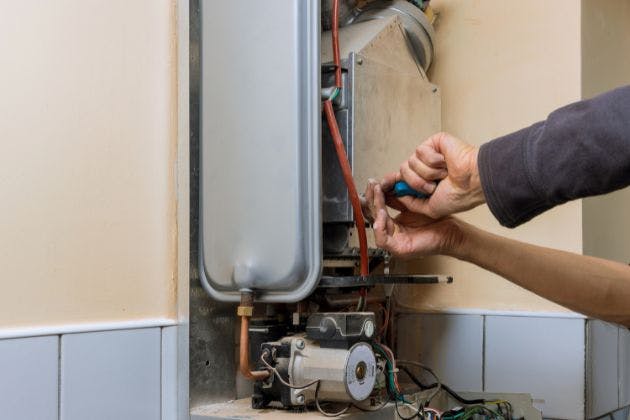
How boiler banging and kettling typically sound
Different faults create different noises, so paying attention to the sound can help you explain the issue to an engineer. Banging often sounds like someone knocking on the pipes or a series of loud thuds when the heating starts or stops.
Kettling is more of a whistling, rumbling or bubbling sound, a bit like a kettle just before it boils. You may hear this mainly when hot water is running or when the heating has been on for a few minutes.
Gurgling or sloshing noises often point to air or sludge in the system. Constant ticking from pipes can simply be metal expanding and contracting, which is fairly normal, but sharp bangs or booms are not.
Common causes of a boiler making banging noises
There are several frequent reasons your boiler might start banging or kettling. Some are simple to put right, while others need a qualified heating engineer.
Limescale on the heat exchanger (kettling) – common in hard water areas; scale builds up and causes water to boil in small pockets.
Trapped air in the system – air pockets in radiators or pipework can cause banging, gurgling and uneven heating.
Low system pressure – if the pressure is too low, water may circulate poorly and create noise.
Pump problems – a failing or incorrectly set pump can cause water hammer and loud knocking in the system.
Sludge or a blocked heat exchanger – dirt and corrosion collect over time, restricting flow and leading to kettling and bangs.
Loose pipework or clips – pipes can move and knock against joists or walls when heating up or cooling down.
Kettling from limescale and scale build-up
When limescale builds up inside the boiler's heat exchanger, it creates hot spots. Water hitting these hot patches can boil rapidly, producing a whistling, rumbling or kettle-like noise.
This is more common in hard water areas and in older, unprotected systems. It reduces efficiency and, if left untreated, can shorten the life of the boiler, so it is worth addressing promptly.
Trapped air and low system pressure
Air pockets in your radiators or pipework can cause gurgling, tapping and uneven heating. They typically occur after draining the system, recent work on the pipework, or minor leaks.
Low pressure on a sealed (pressurised) system can also contribute to noise, as the pump struggles to circulate water properly. This may show up as cool radiators upstairs and more noise near the boiler.
Sludge, pump issues and loose pipes
Over time, rust and debris in radiators form sludge. This restricts water flow, causes cold spots on radiators and can make the boiler overheat and kettling noises more likely.
If the circulation pump is failing, set too high or too low, or full of debris, it can contribute to banging and knocking sounds. Similarly, poorly clipped pipes can jump when the pump starts, creating sharp bangs.
Safe checks you can do when your boiler is banging
Before doing anything, make sure you feel confident and always prioritise safety. Never remove the boiler cover or attempt internal repairs unless you are a Gas Safe registered engineer.
Check the boiler pressure gauge
On most modern combi and system boilers, you will find a pressure gauge on the front. When the system is cold, it should usually sit around 1.0 to 1.5 bar (check your manual for the exact range).
If the pressure is very low or at zero, your boiler may lock out or become noisy. Many homeowners can safely repressurise the system using the filling loop, but only if they follow the manufacturer's instructions carefully.
Bleeding radiators, if you are comfortable
If some radiators are hot at the bottom and cold at the top, they may have trapped air. Carefully bleeding radiators can help, but only do this if you know what you are doing and have the correct key.
Turn the heating off, allow the system to cool a little, then bleed one radiator at a time, starting downstairs. Keep a cloth handy and only open the valve slightly until air stops and a steady stream of water appears.
Listening and resetting, following the manual
Note when the noise occurs: only with hot water, only with heating, or both. This information is very useful for an engineer trying to diagnose the problem.
If the boiler has locked out and is showing an error code, you can usually try a reset, following the instructions in your user manual. If the same error or noise returns repeatedly, stop resetting and call a professional.
What not to do with a noisy boiler
There are some jobs that must always be left to a Gas Safe registered engineer. Attempting them yourself can put you and your household at risk.
Never remove the sealed boiler casing, adjust gas valves, interfere with the flue, or attempt to strip down the heat exchanger or pump. These are specialist tasks that rely on proper testing equipment.
Do not ignore loud, persistent banging or kettling, especially if it seems to be getting worse. Running a boiler in this condition can cause further damage and, in some cases, lead to leaks or breakdown.
When you should turn the boiler off and call an engineer
In some situations, it is safest to switch the boiler off at the controls and isolate the power. If you can do so safely, you may also close the gas isolation valve at the boiler.
If you smell gas or suspect a gas leak, turn the boiler off, open windows, avoid switches and call the National Gas Emergency Service immediately.
If your carbon monoxide alarm is sounding, evacuate the property, call emergency services and do not re-enter until it is declared safe.
If you see water leaking from the boiler or nearby pipework, turn the boiler off and, if safe, shut off the water supply.
If the boiler keeps locking out with the same fault code or making very loud bangs, stop resetting it and arrange a professional diagnosis.
How regular servicing helps prevent boiler noise
A yearly boiler service is one of the best ways to prevent kettling, banging and general wear and tear. During a service, a Gas Safe engineer can check key components, clean parts where appropriate and spot early signs of limescale or sludge.
They can also advise on system protection, such as magnetic filters, scale reducers and inhibitor chemicals, which all help keep water flowing freely and quietly through your heating system.
If you are in South Yorkshire, you can learn more on our boiler servicing and repair page at our boiler servicing & repairs service, or check local information for your area at our Rotherham, Sheffield and Barnsley pages.
FAQ: boiler making banging noises
Should I turn my boiler off if it is kettling?
If the kettling noise is light and occasional, you can usually keep using the boiler, but you should book a service soon. If the noise is very loud, worrying or has suddenly become worse, turn the boiler off and arrange a prompt inspection.
Is a banging boiler dangerous?
Most banging boilers are not immediately dangerous, but the noise is a warning sign that something is not right. The real risk is damage to components, leaks or efficiency loss, so it is important to have it checked by a Gas Safe engineer.
Can I fix boiler kettling myself?
You can carry out basic user checks, such as checking system pressure, bleeding radiators and following reset instructions in the manual. Anything involving opening the boiler casing or working on gas or combustion parts must be left to a professional.
How can I stop my boiler and pipes from banging?
The best long-term fix is a proper diagnosis of the root cause. This may involve descaling the heat exchanger, powerflushing or cleaning the system, adjusting or replacing the pump, and securing loose pipework where needed.
Next steps if your boiler is making banging noises
If your boiler is banging or kettling, start with the safe checks above and note any patterns with the noise. Do not ignore persistent or worsening sounds, and always switch off immediately if you smell gas, see leaks or have a carbon monoxide alarm triggering.
For homeowners in Rotherham, Sheffield or Barnsley, Oneheat Limited can provide a thorough, safety-first diagnosis and repair. To arrange an appointment or discuss your boiler noise issue, contact Oneheat Limited today on 07956098150 or send a message through our contact page.