If your split air conditioning unit is leaking water, it can be both worrying and inconvenient. Even a small drip may seem harmless at first, but over time it can cause significant damage to your walls, flooring, and furniture. Ignoring the leak can lead to costly repairs, mould growth, and reduced efficiency of your system. Acting quickly helps protect your home and keeps your air conditioner running smoothly.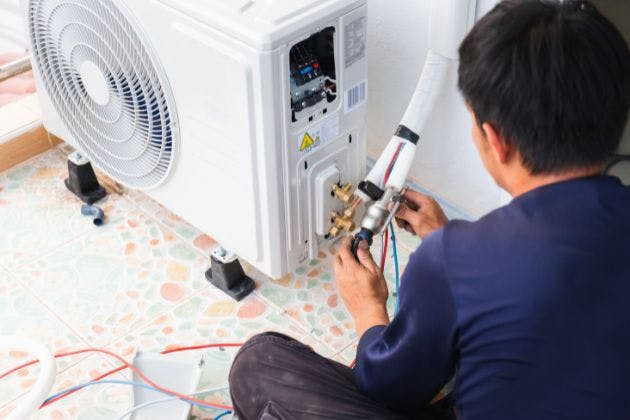
First steps if your air conditioner is leaking
Before you do anything else, make the area safe and prevent further damage. The water itself usually comes from condensation, not your plumbing, but it can still cause real problems over time.
Always turn the air conditioner off at the control first. If water is close to sockets or electrical items, switch off the power at the isolator or consumer unit and keep the area clear until it has been checked.
Turn the unit off and unplug nearby electrical items
Put towels or a tray down to protect the flooring and furniture
Take clear photos and note where and when the leak appears
Avoid taking covers off or touching pipework and wiring
Once things are safe and protected, you can carry out a few simple checks, but avoid dismantling panels or going near any refrigerant pipework.
Main causes of a leaking split air conditioner
Most water leaks from split and multi-split systems come from problems with drainage or airflow. Below are the most common issues and how they lead to dripping or pooling water.
Blocked condensate drain line
As your air conditioner cools the air, moisture in the air condenses on the indoor evaporator coil and runs into a small drip tray. From there it should flow out through a plastic condensate drain pipe to the outside or a waste connection.
If this pipe becomes blocked with dust, algae, insects or sludge, the tray can overflow and leak indoors. You might notice water running down the wall under the unit or dripping from the fascia.
Homeowners can sometimes see the end of the drain pipe outside. If it is accessible and safe to reach, check whether water is trickling out when the unit has been running for a while in cooling mode. If not, or if the outlet looks slimy or clogged, it likely needs a proper clean by an engineer.
Dirty filters and evaporator coil icing
Air filters inside the wall unit trap dust and fibres. If they are very dirty, airflow over the evaporator coil is reduced. This can cause the coil to become too cold and ice up instead of draining freely.
When the unit stops or defrosts, that ice can melt faster than the tray can handle, leading to leaks. You may also notice reduced cooling performance, longer run times and more noise from the fan.
Most split units have easy access filters behind the front grille. It is usually safe for homeowners to remove and clean these with a soft brush or a gentle rinse in lukewarm water. Make sure the filters are completely dry and correctly refitted before switching the unit back on.
Incorrect fall on the drain during installation
For the condensate to run away properly, the drain pipe needs a steady downward slope from the indoor unit. If the fall is too shallow, has dips, or rises at any point, water can sit in the pipe and eventually back up into the tray.
This problem is usually down to poor or rushed installation. It may not show up until the system has seen heavy use in summer or when the pipework has moved slightly in the wall or trunking.
Correcting the fall or rerouting the drain is not a DIY job. It involves accessing pipework, supports and sometimes the unit itself, so it should be left to an experienced F-Gas engineer.
Full or failed condensate pump
In some installations, especially where the indoor unit is below the outside exit point, a small condensate pump is fitted to lift the water away. If this pump blocks, fails or loses power, the built in reservoir can overflow.
You might hear unusual clicking or humming noises from the pump before a leak starts, or you may notice the air conditioner stopping and starting frequently as the safety switch operates.
While you can check that the pump has not been unplugged or switched off by mistake, internal pump repairs and replacements should be handled by a professional, as they often sit within trunking alongside electrical and refrigerant lines.
High humidity and usage patterns
During very humid weather or in busy rooms such as kitchens, gyms and open plan offices, the system has to remove more moisture from the air. This means more condensate water passing through the tray and drain.
If the drain line is already partially restricted or the tray is dirty, this higher moisture load can tip it over the edge and lead to leaks. Long, continuous runs at low fan speed can also make icing and drainage issues more likely.
Using an appropriate fan speed and temperature setting, and keeping doors and windows closed while the system runs, can reduce strain on the unit and its drainage.
Safe checks you can do at home
While serious faults need an expert, there are a few sensible checks most homeowners can carry out without special tools or training.
Make sure the unit is level on the wall and not visibly leaning forward
Clean or replace the indoor filters as per the manufacturer instructions
Look for obvious kinks or pinched sections on any visible plastic drain pipe
Check for water staining on the wall or ceiling near the unit to see how long it may have been leaking
If the unit is high on the wall or above stairs, do not balance on chairs or reach dangerously. It is far safer to leave any awkward access to a qualified engineer.
When to call an F-Gas engineer
Certain signs point to a more serious issue that needs attention from a certified F-Gas engineer. These engineers are trained and qualified to work on systems containing refrigerant gas and to handle sealed components safely.
Arrange professional help promptly if you notice any of the following:
Persistent or repeated leaking: If the unit leaks again soon after you dry it up or it has leaked several times in a season, the root cause needs proper diagnosis.
Electrical smells or tripping: A burning smell, visible sparking, or circuits tripping could mean water has reached electrical components. Switch off the power and do not use the unit until it has been checked.
Repeated icing or frost: Ice building up on the indoor unit, outdoor unit, or pipework is a warning sign. It may relate to low refrigerant, airflow problems or control faults.
Reduced airflow or odd noises: A sudden drop in airflow, rattling, gurgling, or grinding noises alongside a leak often indicates internal blockages, fan issues or pump problems.
Any suspicion of refrigerant issues: Hissing sounds, oily residues around joints, or a noticeable drop in cooling performance can indicate a refrigerant leak. Do not attempt to tighten fittings or interfere with pipework yourself.
How leaks affect comfort, mould and running costs
Water leaking from your air conditioner is more than just an annoyance. Persistent damp patches behind or below the indoor unit create a perfect environment for mould and mildew to grow.
Mould spores can affect indoor air quality and may cause problems for people with asthma or allergies. Stained walls, peeling paint and swollen skirting boards or flooring can also be expensive to put right.
From an efficiency point of view, a system that is leaking often has to work harder to achieve the same temperature. Blocked drains, dirty filters and icing all reduce performance and can shorten the lifespan of fans, pumps and compressors.
Sorting the problem early usually means a simpler, cheaper fix and helps your air conditioner run efficiently for longer.
Professional support in South Yorkshire
OneHeat Limited supports homes and small businesses across South Yorkshire, including Barnsley, Rotherham and Sheffield, with air conditioning repairs and servicing.
If your split air conditioner is leaking water, or you have noticed any of the warning signs above, it is safer and more cost-effective to have it checked by a qualified F-Gas engineer. Proper diagnosis will identify whether the issue lies with drainage, controls, installation, or the refrigerant circuit.
To book an air conditioning repair or servicing visit, contact OneHeat Limited on 07956098150 or arrange an appointment through the air conditioning service page. If you are considering upgrading your system, you can also keep an eye out for our dedicated air conditioning installation location page for your area.
Acting quickly protects your property, keeps your air clean and helps your air conditioner run efficiently whenever you need it.